
Latest News
The AAS Open Access Publishing Model: Open, Transparent, and Fair
As of 2022, all AAS journals are open access. What does our business model look like for the journals now, and why did we choose it?
The AAS Publication Support Fund: Preserving Author Access to the AAS Journals
Ethan Vishniac outlines the AAS Publication Support Fund which provides financial support to authors for the publication of their journal articles.
Response to NASA RFI: NASA Public Access Plan for Increasing Access to the Results of NASA-Supported Research
AAS Publishing staff and editors have contributed a response to NASA’s recent Request for Information on their Public Access Plan for Increasing Access to the Results of NASA-Supported Research. Read AAS’s full response here.
On the Use of Chatbots in Writing Scientific Manuscripts
Ethan Vishniac discusses editorial guidelines for the use of chatbots in preparing manuscripts for submission to the journals of the AAS.
Author Resources




AAS Nova Research Highlights
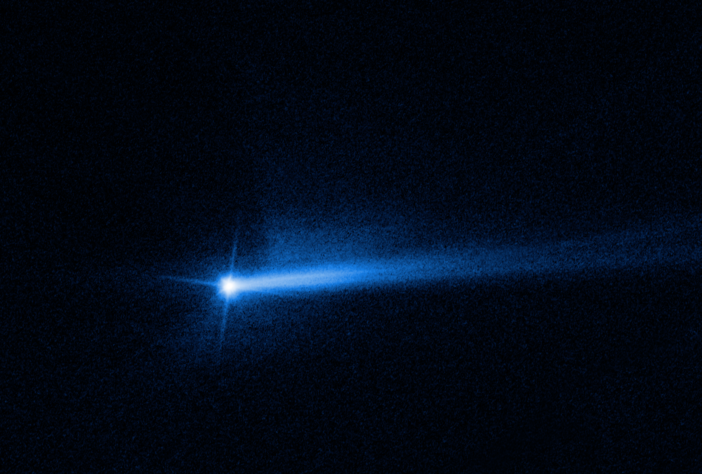
Possibility of Detecting Clumsy Asteroids
After observing a planned impact between an asteroid and a spacecraft, astronomers wondered: could we detect colliding pairs of natural asteroids?
The post Possibility of Detecting Clumsy Asteroids appeared first on AAS Nova.
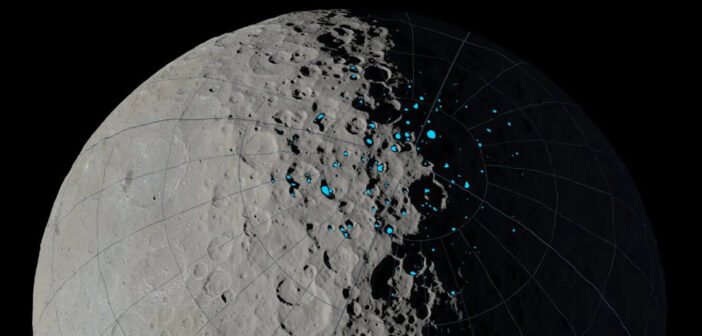
Ice Trapped in Craters on Ceres Is Surprisingly Young
The dwarf planet Ceres hosts water ice in cold, shadowed craters. New research suggests that these ice deposits are remarkably young.
The post Ice Trapped in Craters on Ceres Is Surprisingly Young appeared first on AAS Nova.
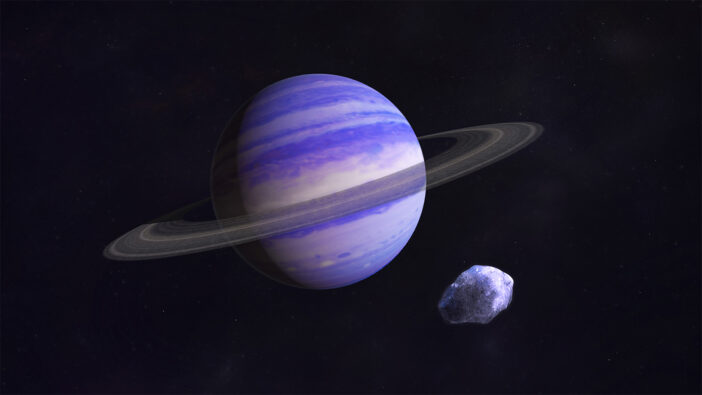
The Case of Shrinking Planets
Astrobites reports on whether photoevaporation or core-powered mass loss is more likely to be responsible for the exoplanet radius gap.
The post The Case of Shrinking Planets appeared first on AAS Nova.
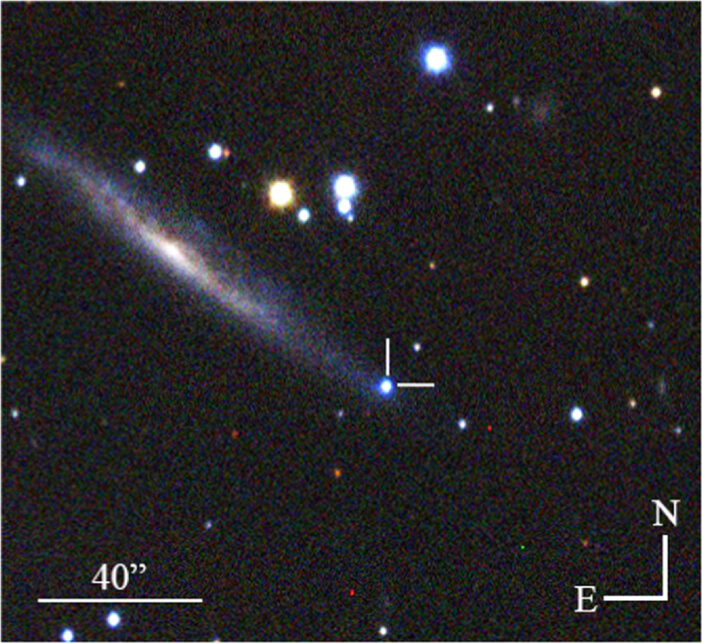
Early Observations May Separate “Ordinary” Supernovae from Intriguing Ones
If caught just a few days later, SN 2022jox would've looked like just another ordinary core-collapse supernova, but early observations set it apart, revealing the gas expelled in the star's final years
The post Early Observations May Separate “Ordinary” Supernovae from Intriguing Ones appeared first on AAS Nova.
AAS Journals Editorial Board
The AAS Editor in Chief, the ApJ Letters Editor, the PSJ Editor, and a team of seven Lead Editors and more than 30 Science Editors manage peer review of its flagship research journals.
AAS Publications Committee
The AAS Publications Committee works with the AAS Editor in Chief to oversee the policies, editorial personnel, and new initiatives of AAS publishing.